Sustainable Weight Loss Without Crash Diets
Forget fad diets. Learn evidence-based strategies using Indian foods you already love — portion control, meal timing, and metabolic adaptation that actually work long-term.
The weight loss industry is filled with promises of quick fixes: keto diets, intermittent fasting, juice cleanses, and elaborate meal replacement plans. Yet, statistics show that 95% of people who lose weight on these diets regain it within 1-5 years. Why? Because crash diets are metabolically unsustainable. When you drastically cut calories, your body interprets this as starvation and adapts by slowing metabolism, increasing hunger hormones, and preserving energy stores (fat). The moment you return to normal eating—which you inevitably will—you gain the weight back, often plus extra. Sustainable weight loss isn't about deprivation; it's about creating a modest, sustainable calorie deficit while maintaining muscle mass, keeping hunger manageable, and building habits you can maintain for life.
The foundation of sustainable weight loss is understanding that one pound of fat equals approximately 3,500 calories. To lose 1 pound per week, you need a deficit of 500 calories daily (or 3,500 per week). For 1.5 pounds per week (a healthy, sustainable rate), aim for a 750-calorie deficit. However, this deficit should come from both eating less and moving more, not just drastic calorie cutting. The key is to reduce calories by about 15-20% from your maintenance level, not by 40-50% like crash diets. For example, if you maintain weight at 2,000 calories daily, aim for 1,600-1,700 calories, not 1,200. This moderate deficit is sustainable, won't destroy your metabolism, and allows you to eat satisfying portions of foods you love.
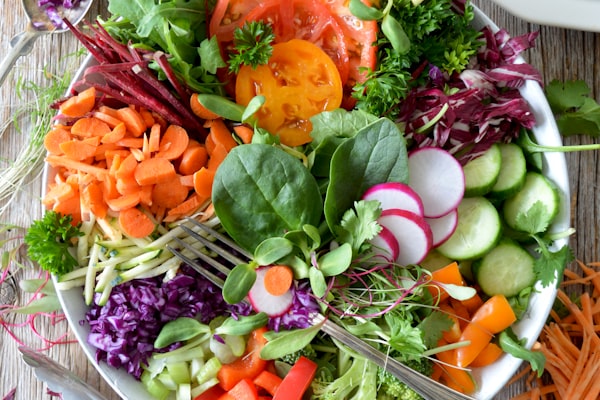
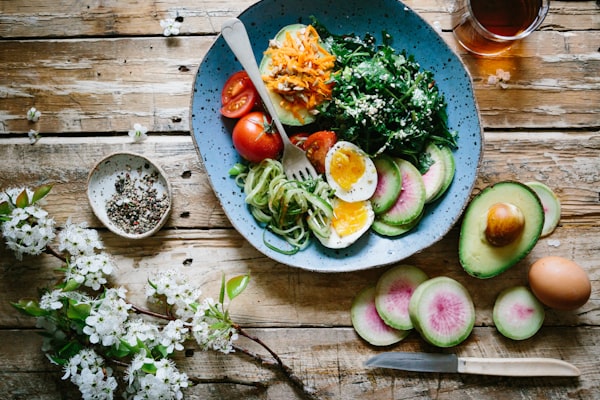
Meal timing and structure significantly impact weight loss success. Instead of skipping breakfast or eating one large meal daily, structure your eating into regular meals and snacks. A balanced plate approach works well: fill half your plate with vegetables, a quarter with whole grains (roti, rice, millets), and a quarter with protein (dal, paneer, lean meats). This naturally controls portions while ensuring satisfaction. Breakfast shouldn't be skipped—it stabilizes blood sugar and prevents overeating later. Try idli with sambar, or roti with curd and vegetables. Snack strategically on foods like roasted chana, handful of almonds, or fruits to prevent extreme hunger. Importantly, never go more than 4 hours without eating; longer gaps lead to metabolic slowdown and overeating at the next meal.
Protein deserves special attention in weight loss because it increases satiety, preserves muscle during weight loss, and has a higher thermic effect (your body burns more calories digesting protein). Aim for 25-30% of daily calories from protein. In Indian cuisine, this means incorporating dal at lunch and dinner, adding paneer to your vegetables, including eggs if non-vegetarian, or using legumes creatively. Pair carbohydrates with protein—roti with dal, rice with sambar, or bread with curd. This combination stabilizes blood sugar, prevents energy crashes, and keeps you satisfied longer. Additionally, whole grains and vegetables provide fiber, which aids digestion, promotes fullness, and feeds beneficial gut bacteria. These small changes—choosing whole grains over refined, adding extra vegetables, including protein at each meal—compound over time to create sustainable, steady weight loss.
Finally, remember that sustainable weight loss typically takes 3-6 months for noticeable changes and 1-2 years for significant transformation. This might sound slow, but it's the most reliable way to lose weight and keep it off. During this journey, focus on the habits you're building—regular meal timing, balanced nutrition, movement, and adequate sleep—rather than obsessing over the scale. Many people lose weight while the scale barely changes because they're gaining muscle (which is denser than fat). Track how your clothes fit, how you feel energetically, and how your body composition changes. Most importantly, choose an approach using foods you genuinely enjoy eating. If you love roti, dal, and vegetables—which are nutritious and naturally lower in calories—you can absolutely lose weight eating these foods in appropriate portions. This is what sustainable weight loss looks like.
Ready to Transform Your Health?
Get personalized nutrition guidance based on your unique body and health goals.
Book Free ConsultationShare this article