The Ayurveda + Modern Nutrition Revolution
Vata, Pitta, Dosha — it's not just traditional wisdom. New research validates Ayurvedic principles. Learn how to eat according to your constitution for optimal energy, digestion, and wellness.
Ayurveda, India's ancient system of medicine, has been refined over 5,000 years through careful observation of how different people respond to different foods and lifestyles. Central to Ayurveda are three doshas (fundamental energetic principles): Vata (air and space—movement, dryness, coldness), Pitta (fire and water—heat, intensity, transformation), and Kapha (earth and water—heaviness, stability, coldness). While this language might sound mystical to modern ears, emerging research in genetics, epigenetics, and personalized nutrition is validating that individuals truly do have different nutritional needs based on their constitutional type. What works brilliantly for one person might be completely wrong for another. Rather than following a one-size-fits-all diet, Ayurveda offers a sophisticated framework for eating according to your unique constitution (Prakriti) and current imbalances (Vikriti).
Understanding your dosha type is the first step. Vata types tend to be thin, creative, talkative, and prone to anxiety, constipation, and dry skin. They need grounding, warming, stabilizing foods: warm oils, cooked foods, nutty flavors, and consistent meal timing. Pitta types are typically moderate build, ambitious, sharp-minded, and prone to inflammation, acidity, and irritability. They need cooling, calming foods: coconut, cucumber, leafy greens, and bitter flavors; they should avoid excessive spice and caffeine. Kapha types often have a larger build, calm demeanor, and tend toward sluggishness, water retention, and weight gain. They need stimulating, warming, light foods: spices, legumes, and light grains; they should minimize heavy oils and refined carbohydrates. Of course, most people are a combination (like Vata-Pitta or Pitta-Kapha), but understanding your primary dosha offers profound insights into why certain foods make you feel amazing while others leave you sluggish or unwell.
Seasonal eating, a core Ayurvedic concept called Ritucharya, is also gaining modern scientific support. Your nutritional needs genuinely change with seasons. In spring (Kapha season), eat lighter, stimulating foods to counter spring heaviness. In summer (Pitta season), emphasize cooling foods to balance heat. In fall (Vata season), eat warm, nourishing, grounding foods to counter the dry, cold air. Winter (late Kapha/early Vata) calls for warming, moderately heavy foods. This isn't arbitrary; it's aligned with what nature provides seasonally and what your body actually needs at different times of year. Eating seasonal produce is not only more affordable and sustainable but genuinely more nutritious and supportive to your body's natural rhythms. Spring greens and light meals, summer fruits and coconut, fall grains and root vegetables, winter warming spices and ghee—this alignment with seasons was innate wisdom.
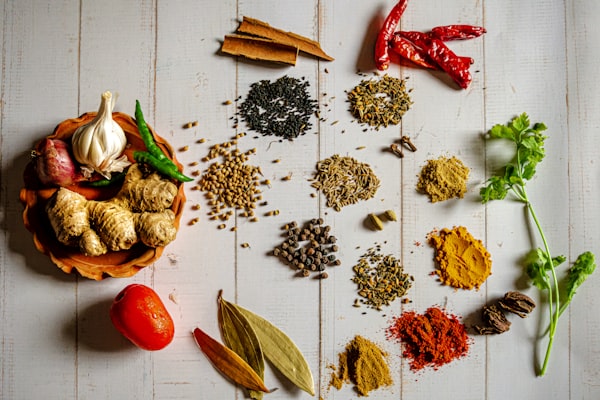
The concept of Agni (digestive fire) is perhaps Ayurveda's most valuable contribution to nutrition science. Strong Agni means you digest food completely, absorb nutrients fully, and eliminate waste efficiently, resulting in vibrant health. Weak Agni leads to incomplete digestion, fermentation, gas, bloating, and accumulation of toxins (Ama). Ayurveda offers specific strategies to strengthen Agni: eating in a calm environment, eating at consistent times, consuming warm food over cold, including digestive spices (ginger, cumin, fennel), not eating until the previous meal is fully digested, and avoiding excessive water with meals (which dilutes digestive acids). Modern science validates this: stress impairs digestion, meal timing affects nutrient absorption, and spices contain compounds that enhance digestive enzyme production.
Integrating Ayurvedic wisdom with modern nutrition science creates a powerful, personalized approach to eating. You're not restricted to one diet; instead, you're working with your body's natural design and current needs. A Vata type struggling with anxiety benefits enormously from consistent meal timing, warm foods, and grounding herbs. A Pitta type with inflammation sees dramatic improvement from cooling foods and stress management. A Kapha type with weight gain thrives on stimulating spices, lighter meals, and movement. And everyone benefits from seasonal eating, strong digestion practices, and tuning into how different foods make them feel. The beauty of this approach is that it makes nutrition personal, intuitive, and sustainable. You're not following someone else's prescription; you're learning to eat in alignment with your unique body. In my practice, when clients understand their dosha and learn to eat accordingly, they often report profound improvements in energy, digestion, mood, and overall health—validating that this 5,000-year-old system still holds tremendous wisdom for modern wellness.
Ready to Transform Your Health?
Get personalized nutrition guidance based on your unique body and health goals.
Book Free ConsultationShare this article